An insurer does not automatically reimburse every ambulance transport. Cover depends on the policy, the reason, the supporting documents and sometimes prior authorisation. So contact the paying organisation before the journey whenever the situation allows.
Check whether it is health insurance, travel insurance, a mutual fund, an assistance company or the organisation appointed by a bank card. Note the policy number, the case number and the phone number of the handling department.
Open a case
Contact the insurer and explain the planned transport: departure, destination, date and the general reason for the request. Ask which documents are needed and whether prior authorisation or a payment guarantee should be sent directly to EMS.
Request an EMS quote
Give EMS the characteristics of the journey to obtain a quote. If the insurer is handling the case, pass on the handler's details and the reference. A verbal agreement from the patient or the hotel does not replace a formal guarantee from the paying organisation.
Guarantee versus reimbursement
With an accepted payment guarantee, the organisation can pay EMS on the agreed terms. With reimbursement, the patient generally pays for the transport and then sends the invoice and supporting documents. The exact arrangements should be confirmed before departure.
Documents to keep
Keep the accepted quote, the invoice, proof of payment, the prescription or certificate where requested, and the exchanges with the insurer. Check that the beneficiary's identity and the case reference are correct.
For assistance companies
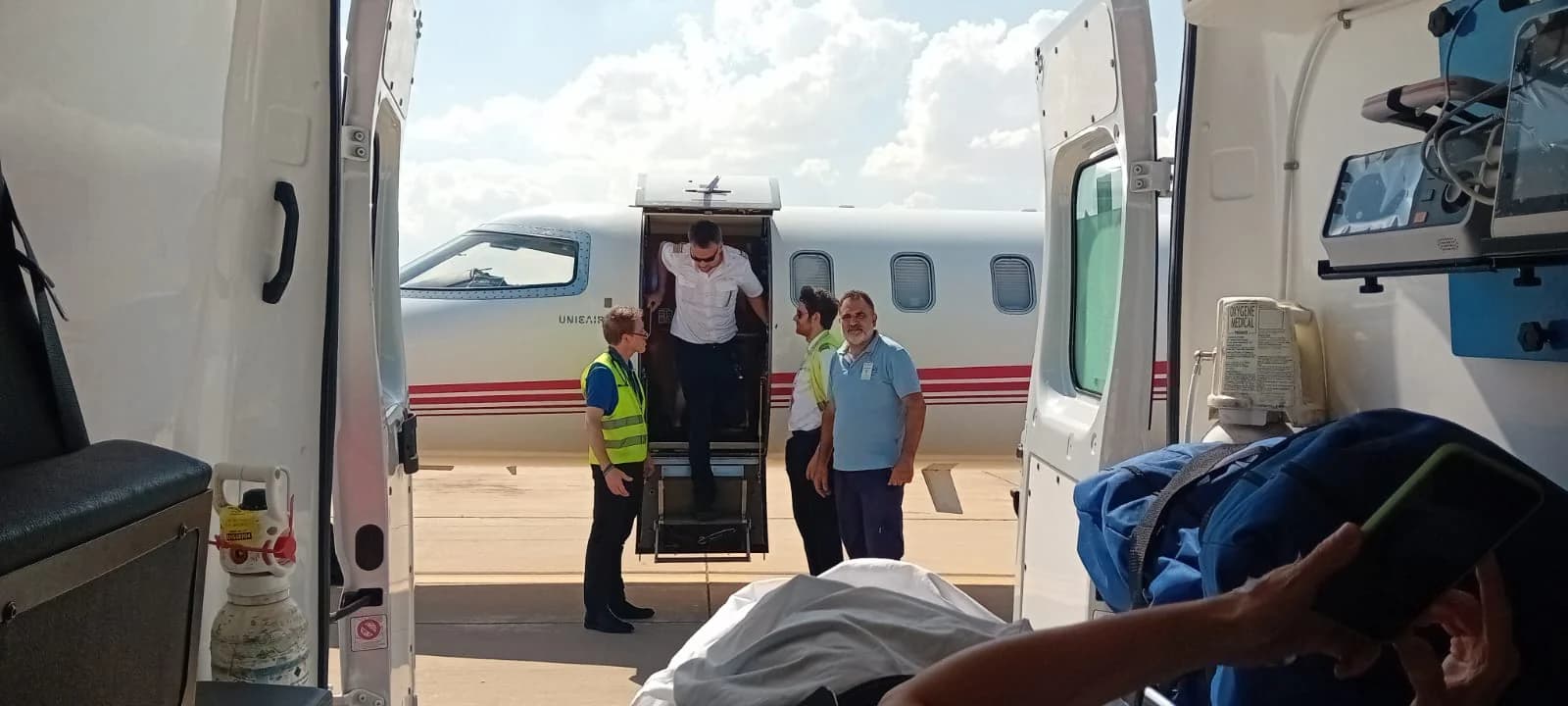
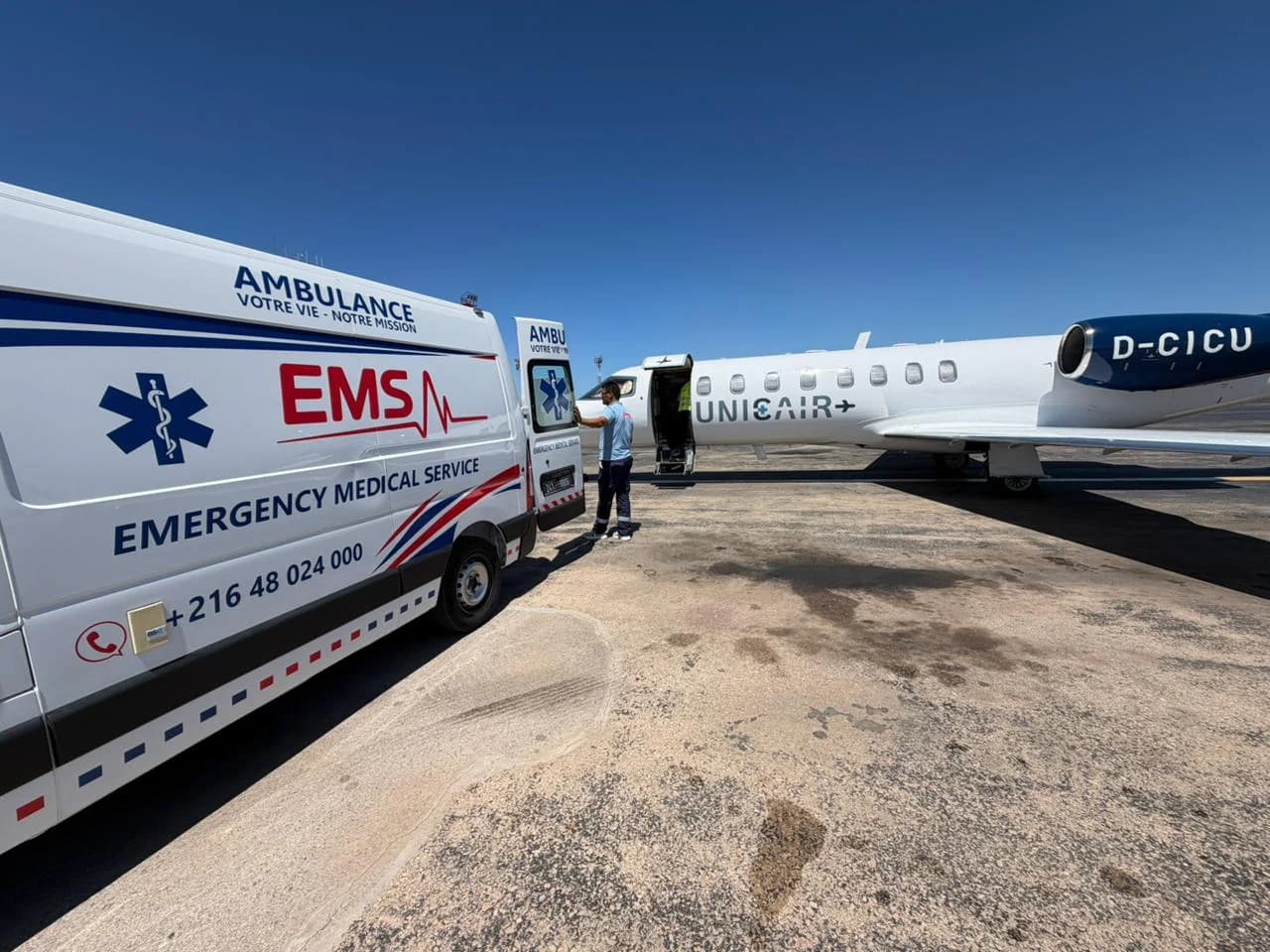
EMS can coordinate a transport, an inter-hospital transfer or an airport connection with the case handler. The confirmation should state the authorised journey, the level of service, the agreed rate and the invoicing method.
In a life-threatening emergency or an acute deterioration, contact the competent public emergency services immediately. A request sent by form or WhatsApp does not confirm a transport booking.