A successful hospital discharge is prepared before the patient leaves the room. Medical clearance has to be confirmed, the transport arranged, the home made accessible, and prescribed care must be able to continue without interruption.
The family should obtain the ward's confirmation, the likely discharge time and the transport instructions. An announced time may remain indicative as long as documents, prescriptions or final tests are not complete. It helps to name one family contact to coordinate the exchanges.
Choose the right transport position
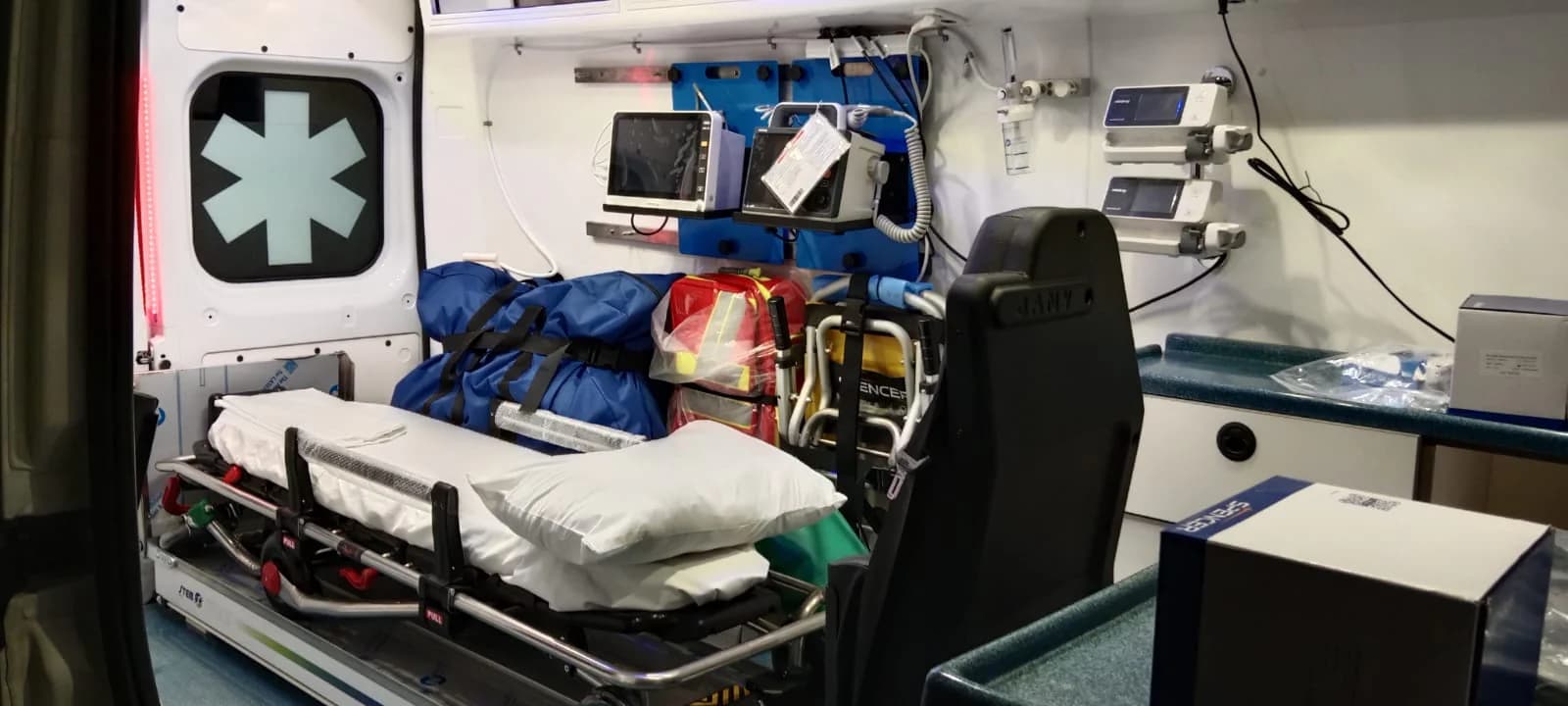
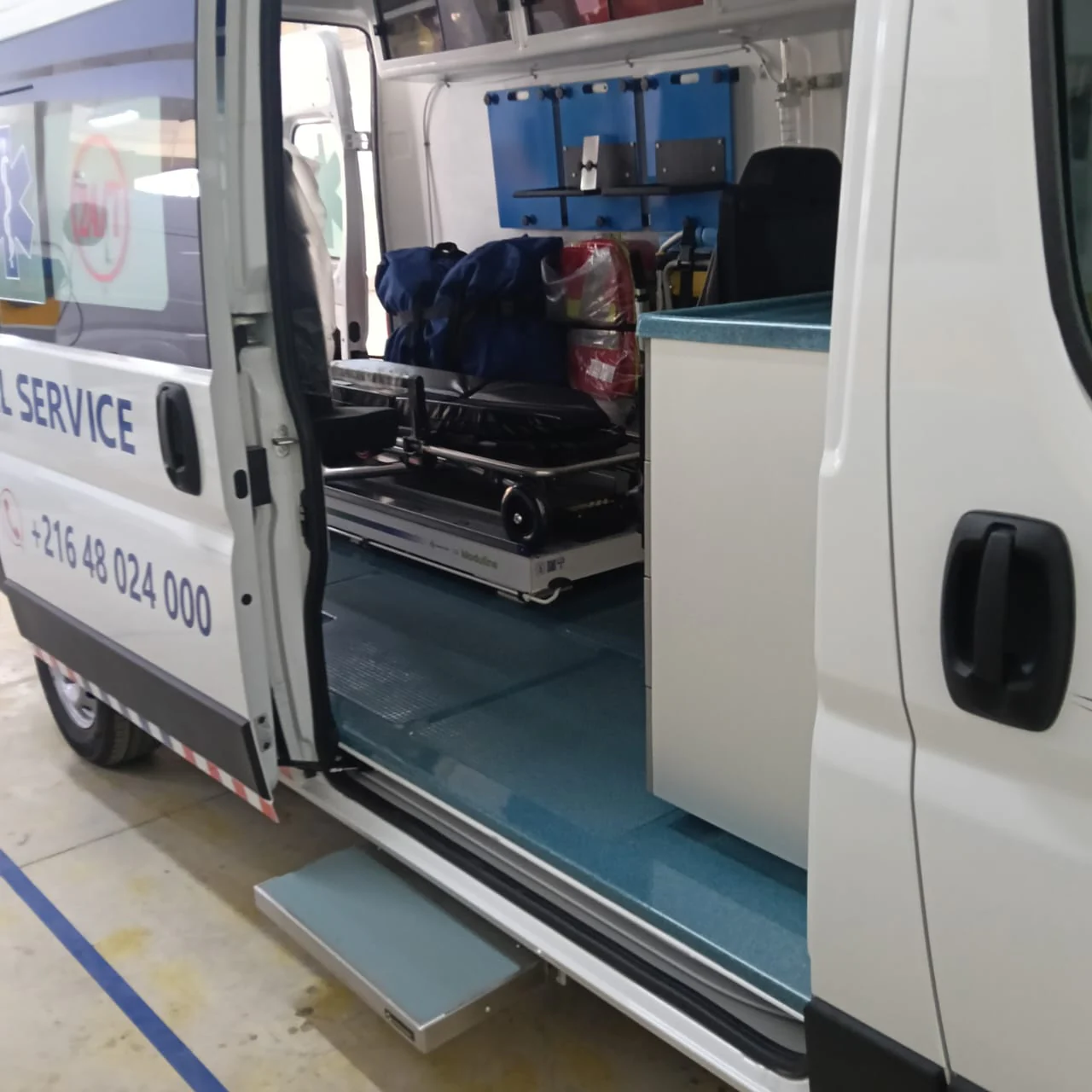
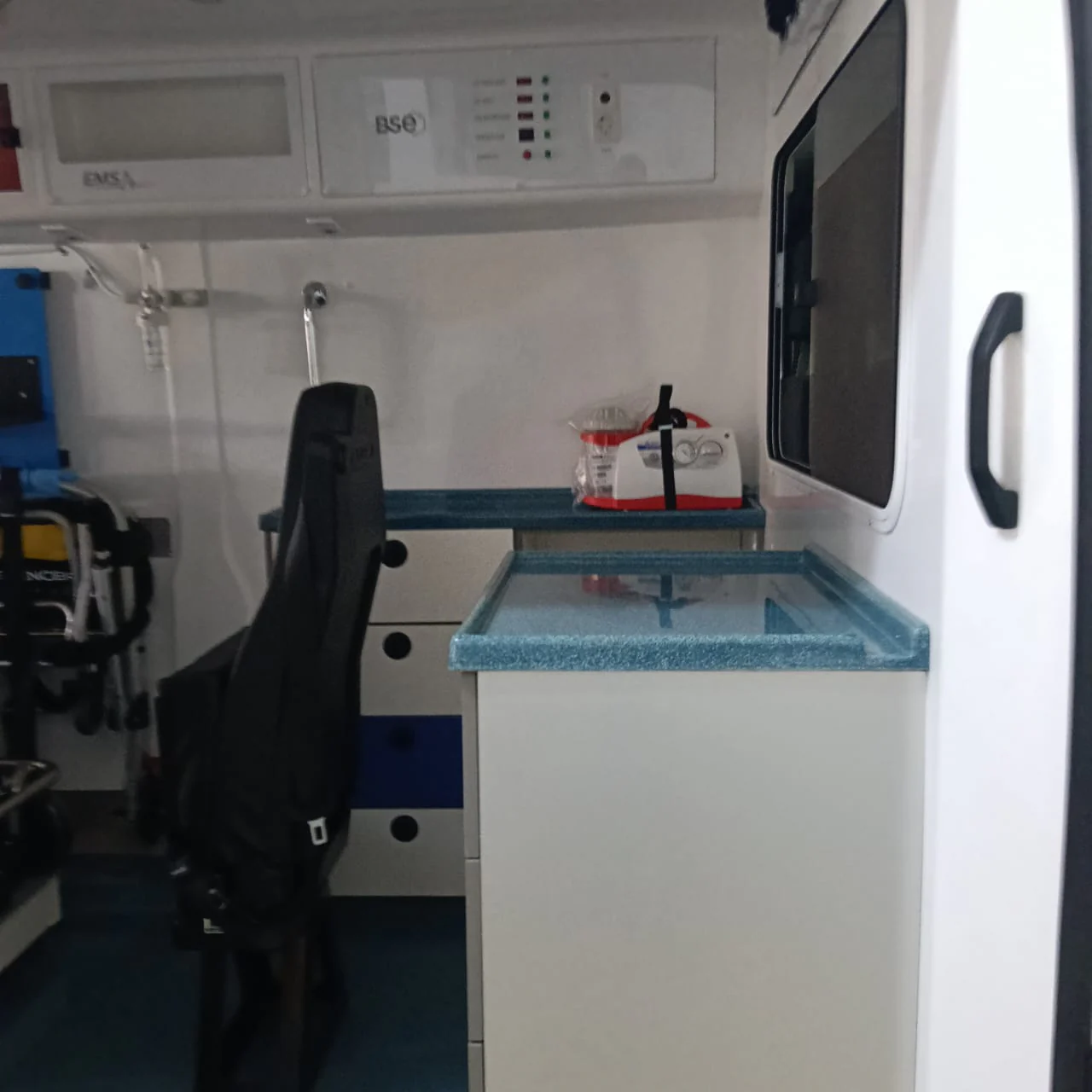
Say whether the patient can sit, uses a wheelchair or must stay lying down. Mention oxygen, medical devices, pain on movement and any restrictions set by the doctor. This information determines the vehicle, the carrying equipment and the number of crew.
Prepare the home
Check the floor, the lift, the width of the access routes and whether a vehicle can park near the entrance. Prepare the bed, the prescribed medication and any equipment planned for care. If a nurse or a home-care service is due, confirm the time before leaving the clinic.
Documents and personal belongings
Collect the discharge summary, prescriptions, follow-up appointments and any test results handed over by the facility. The documents should travel with the patient or be entrusted to the person receiving them. Think also of glasses, hearing aids, prostheses and personal items.
Book without creating needless waiting
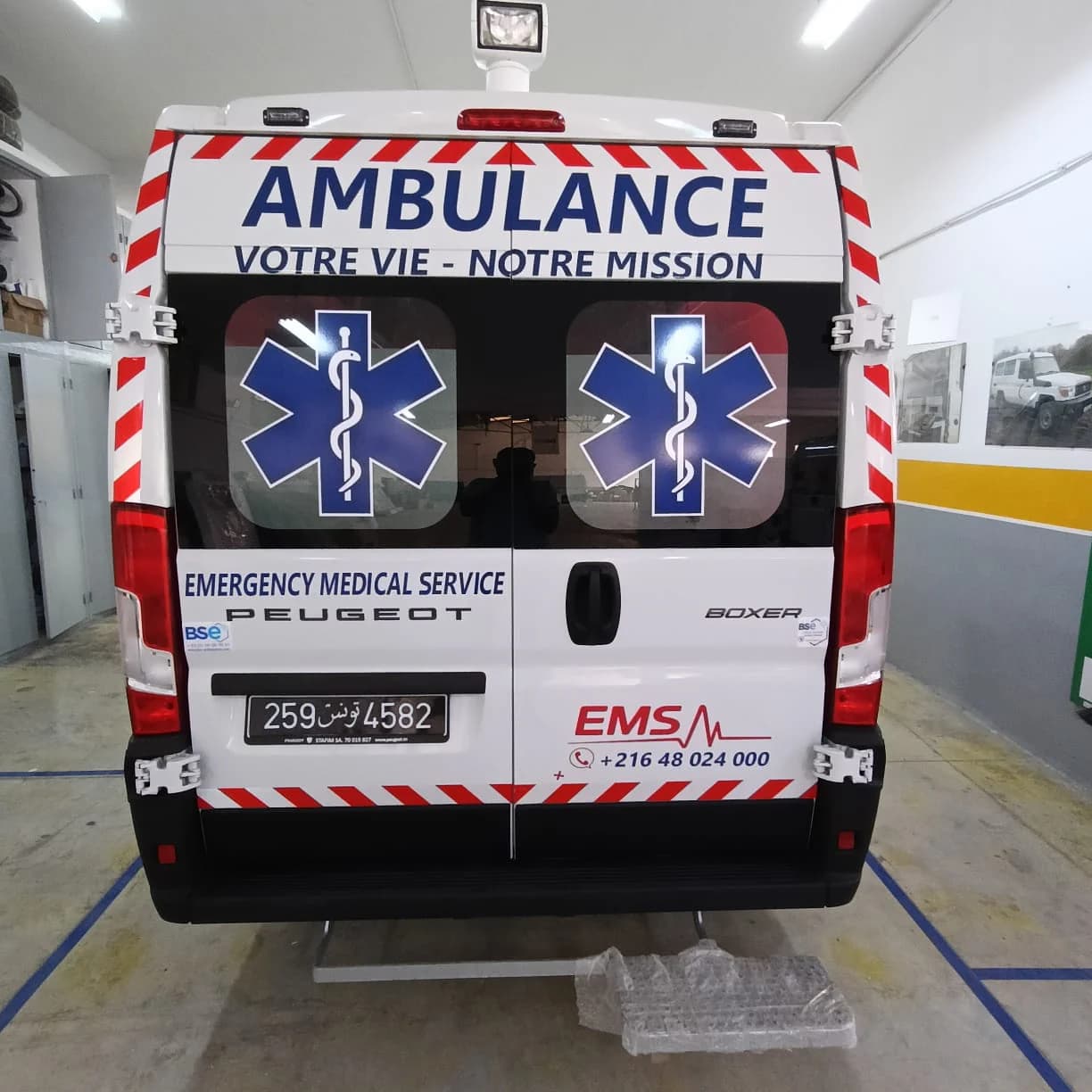
Give EMS the name of the facility, the ward, the home address, the access conditions and the number of the person present on arrival. Tell us immediately if the discharge is postponed or the patient's condition changes.
In a life-threatening emergency or an acute deterioration, contact the competent public emergency services immediately. A request sent by form or WhatsApp does not confirm a transport booking.