Medicalised ambulance or patient transport: what is the difference?
The vehicle may look similar from the outside, but the essential difference lies in the staff, the equipment deployed and the level of monitoring required. The choice is not only about comfort: it must match the patient's actual needs during the journey.
It generally concerns a stable patient who has to attend a consultation, a test, a planned admission or return home. The team arranges the journey around mobility, the transport position, access to the home and the facility's timetable.
The medicalised ambulance
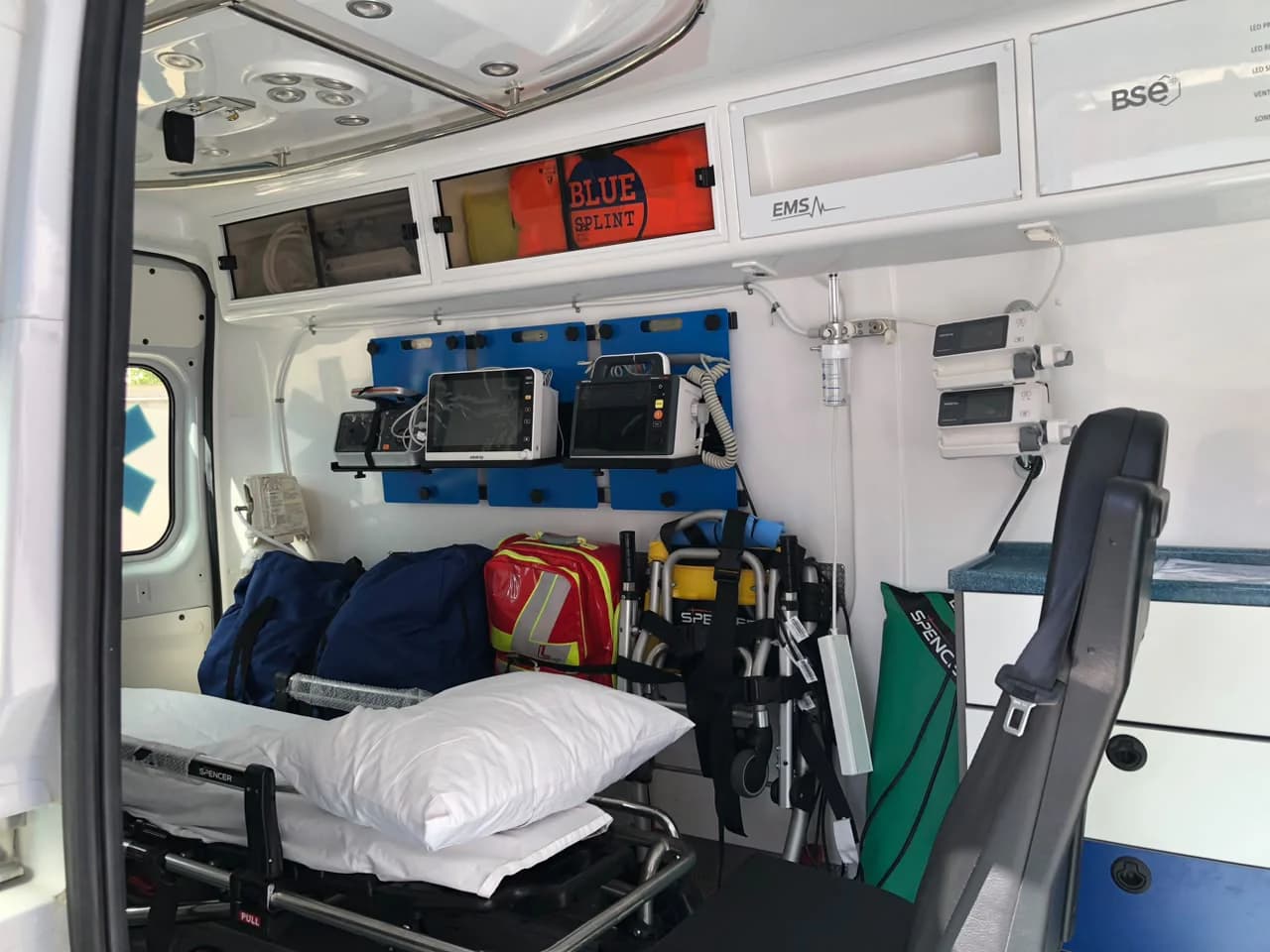
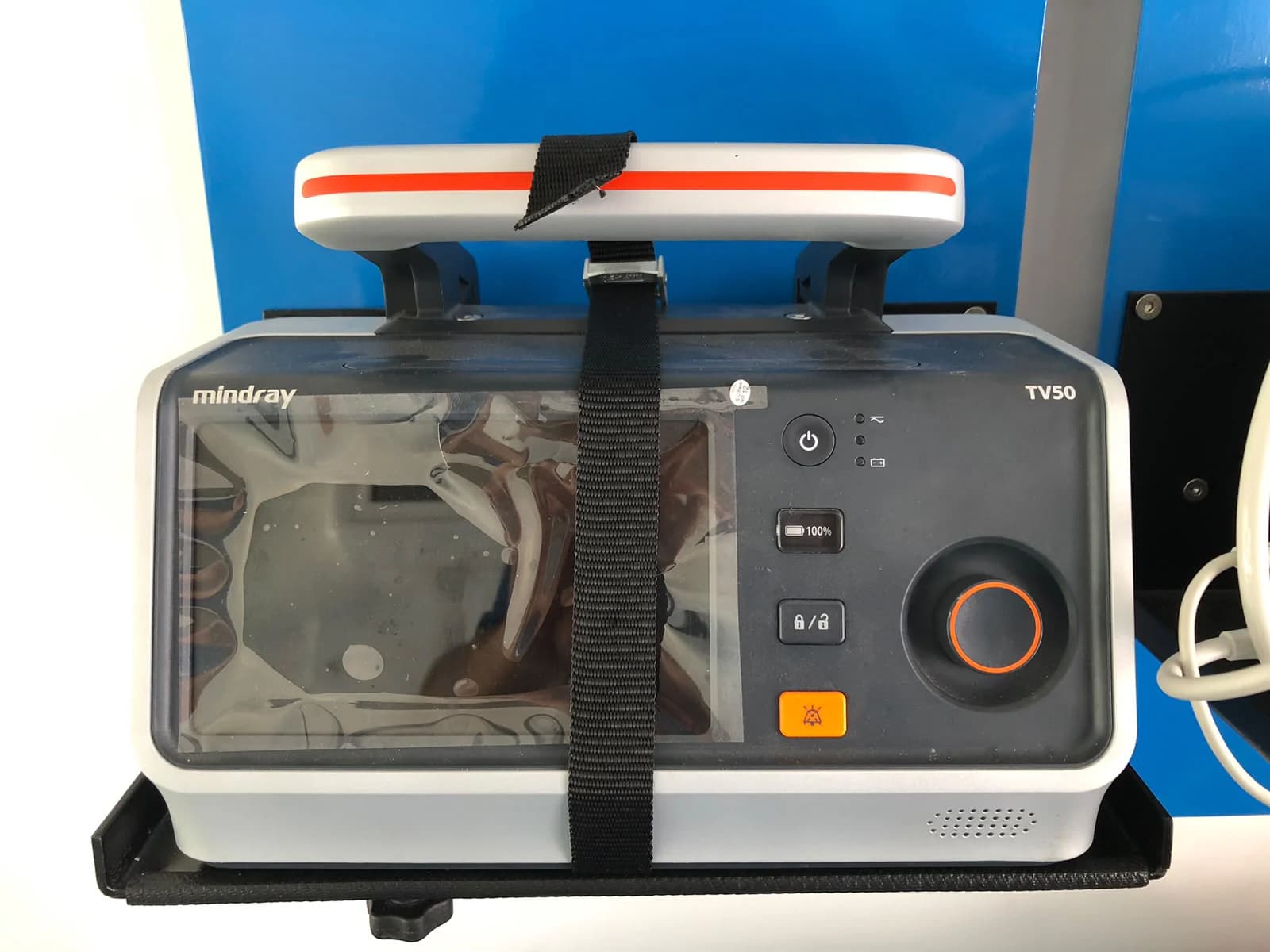
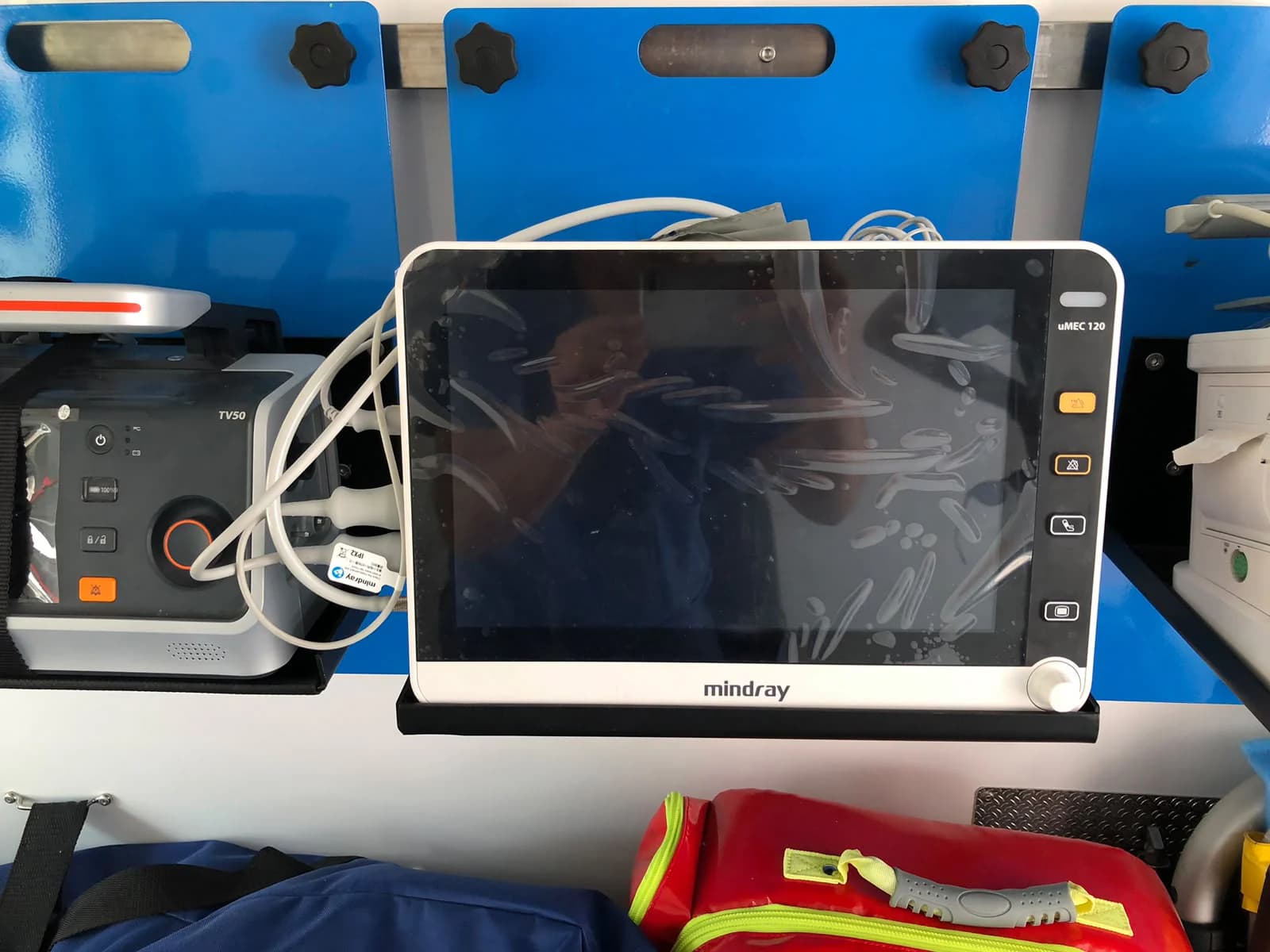
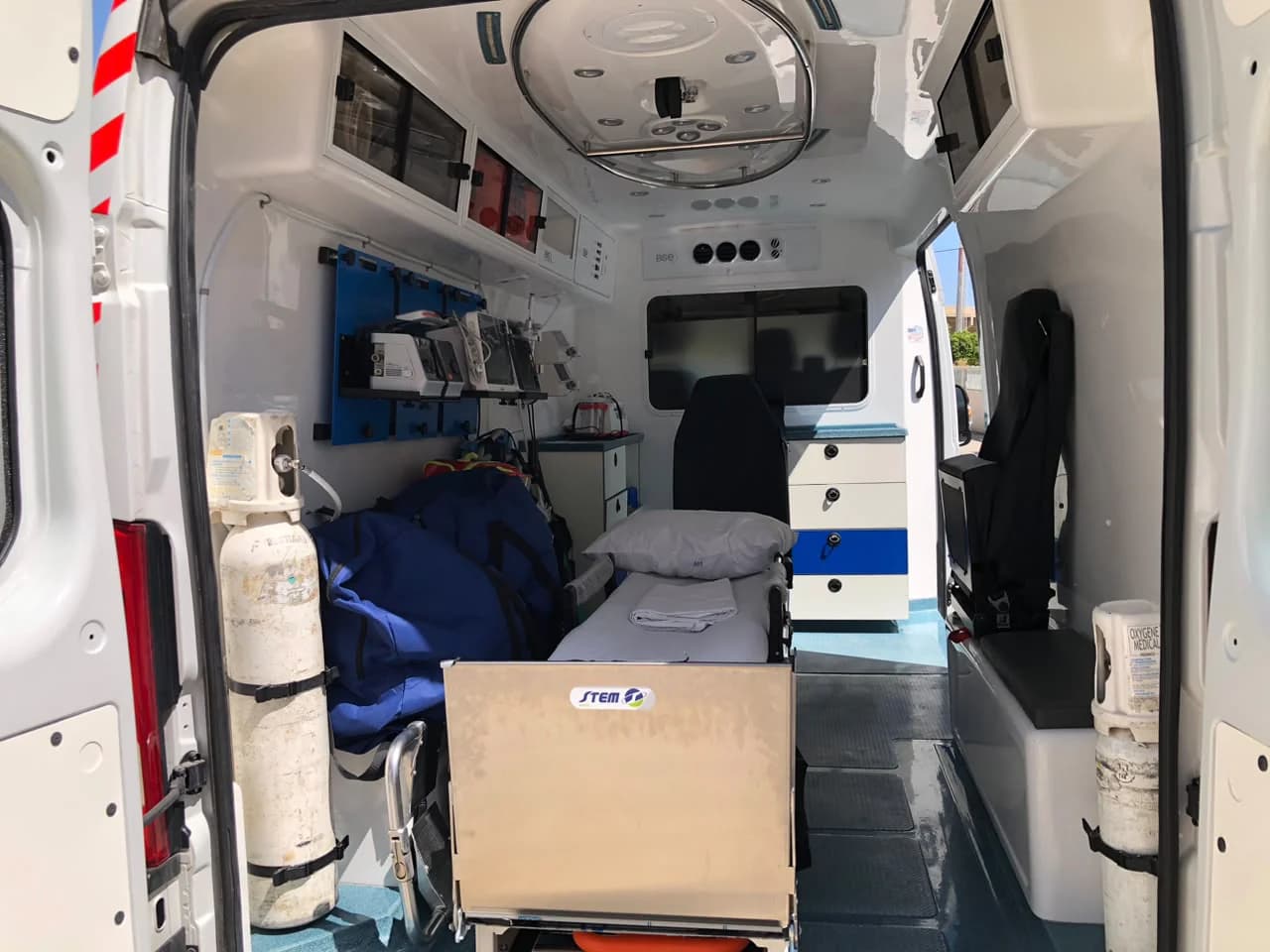
It is intended for situations that call for closer monitoring or additional means during the journey. Depending on the validated indication, the arrangement may include monitoring equipment, oxygen, suction, specific immobilisation and a suitable professional escort.
How to determine the right arrangement
At the first contact, describe the patient's general condition, level of consciousness, breathing, mobility, current treatments or devices and the estimated length of the journey. For a transfer between facilities, the discharging medical team should take part in defining the needs. In a life-threatening emergency, call the public emergency services immediately.
Why avoid both over- and under-equipping
Deploying unnecessary means raises the cost and can reduce the availability of a specialised crew. Conversely, an insufficient arrangement can lead to the departure being postponed. A precise assessment by phone, completed where needed by an exchange between professionals, makes it possible to choose a proportionate arrangement.
Useful questions before booking
Ask who will travel with the patient, what equipment is planned, whether the vehicle can carry a wheelchair or a stretcher, how the handover on arrival will work and what information should be prepared. The EMS confirmation should state the journey, the timing and the arrangements agreed.
In a life-threatening emergency or an acute deterioration, contact the competent public emergency services immediately. A request sent by form or WhatsApp does not confirm a transport booking.