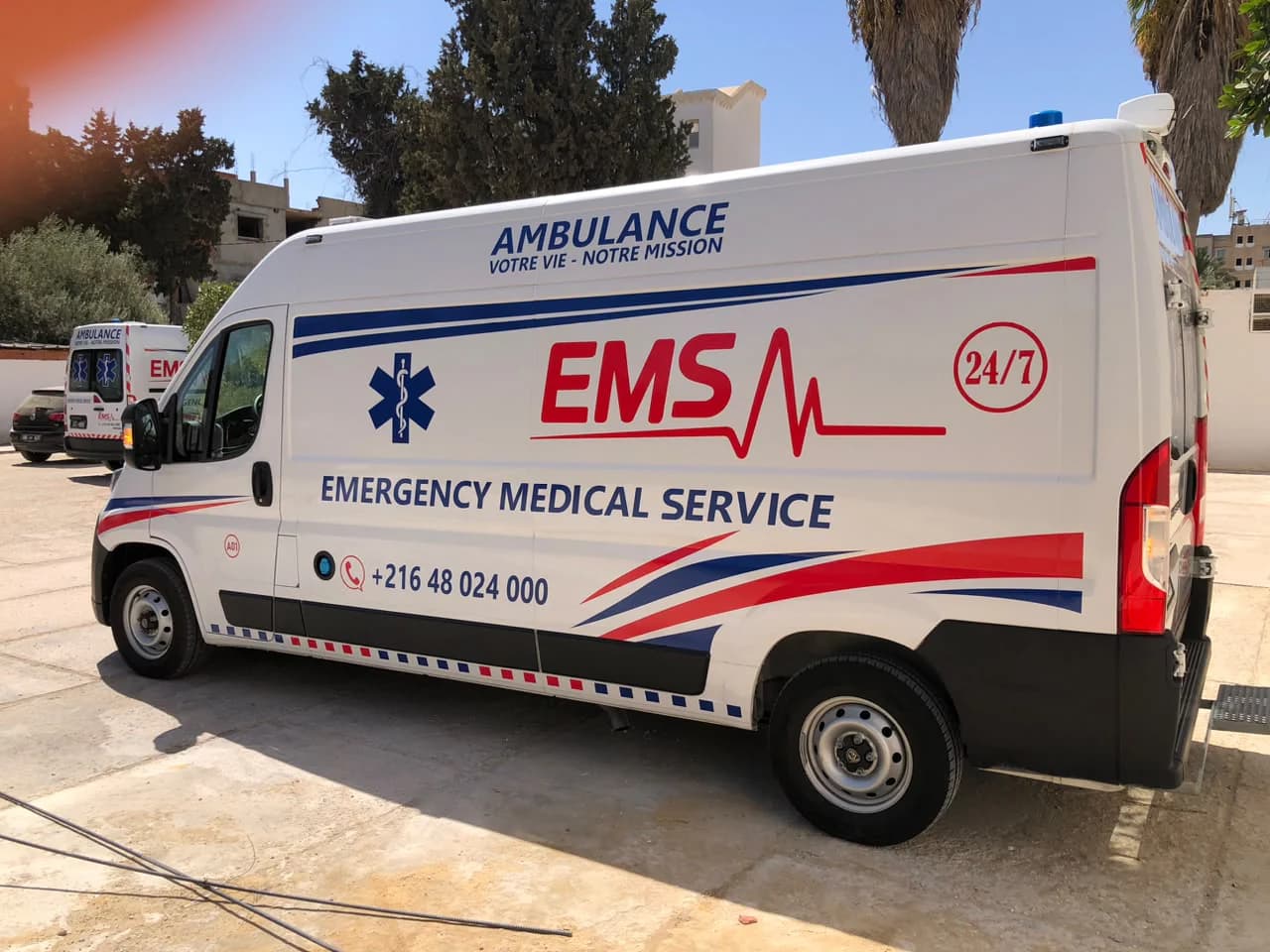
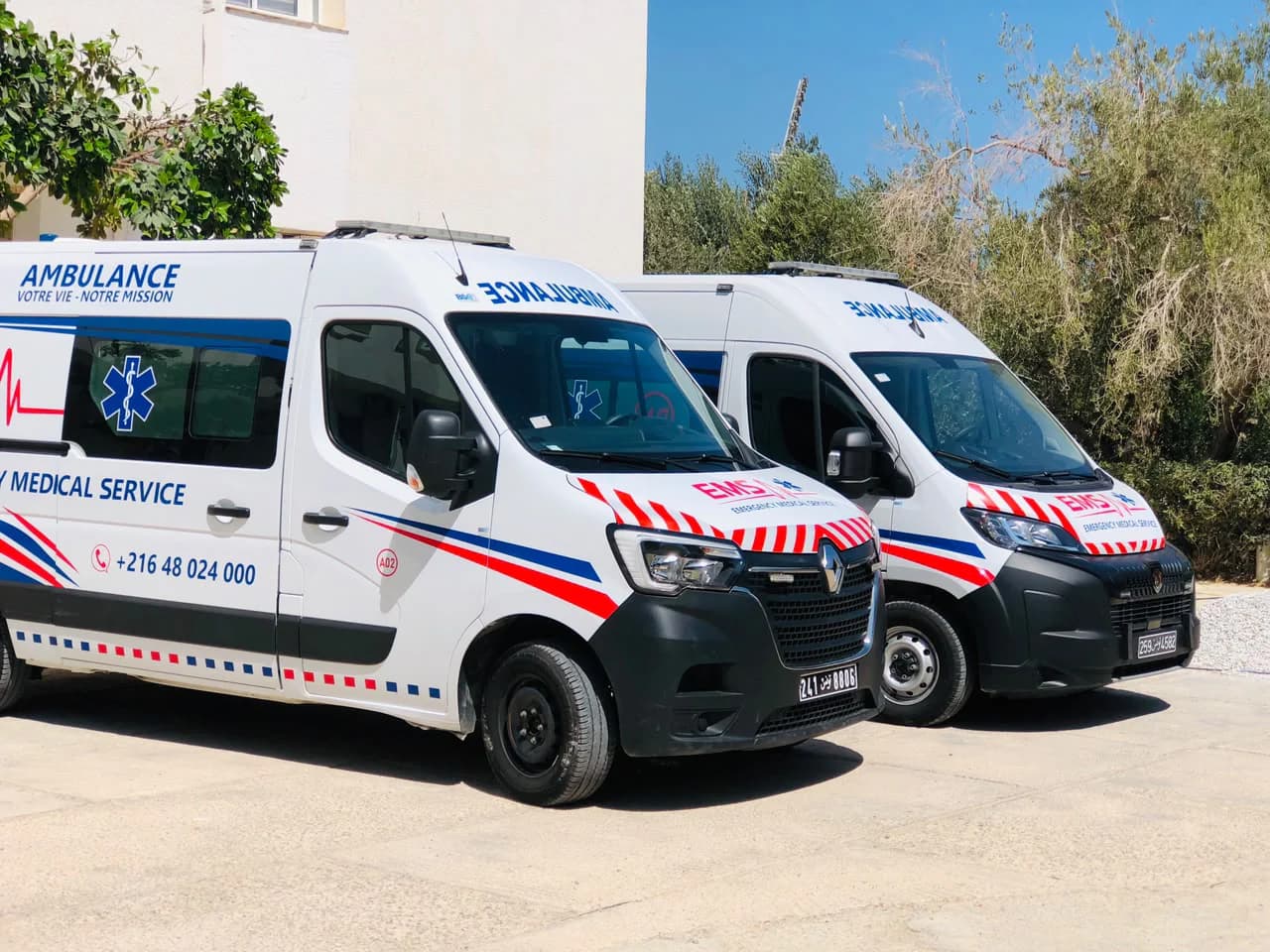
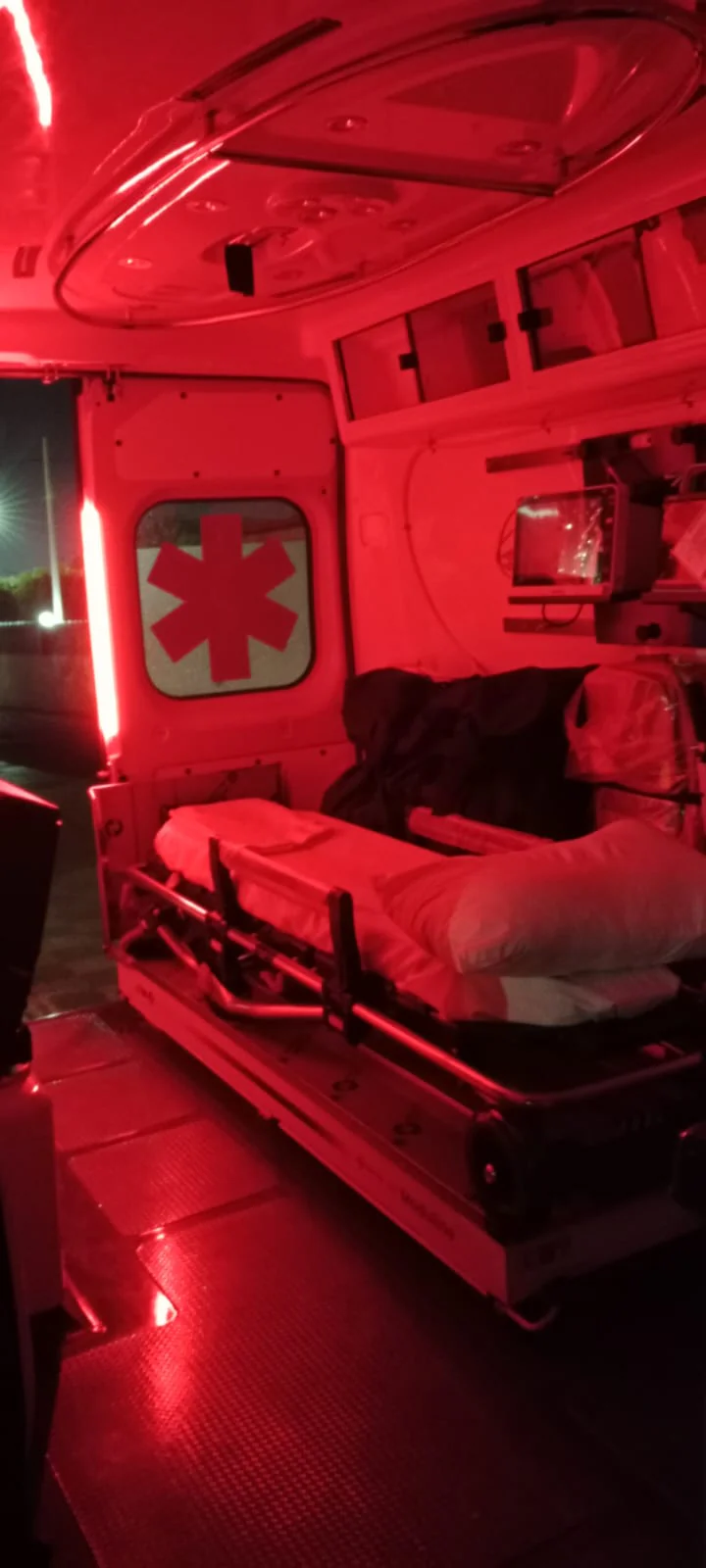
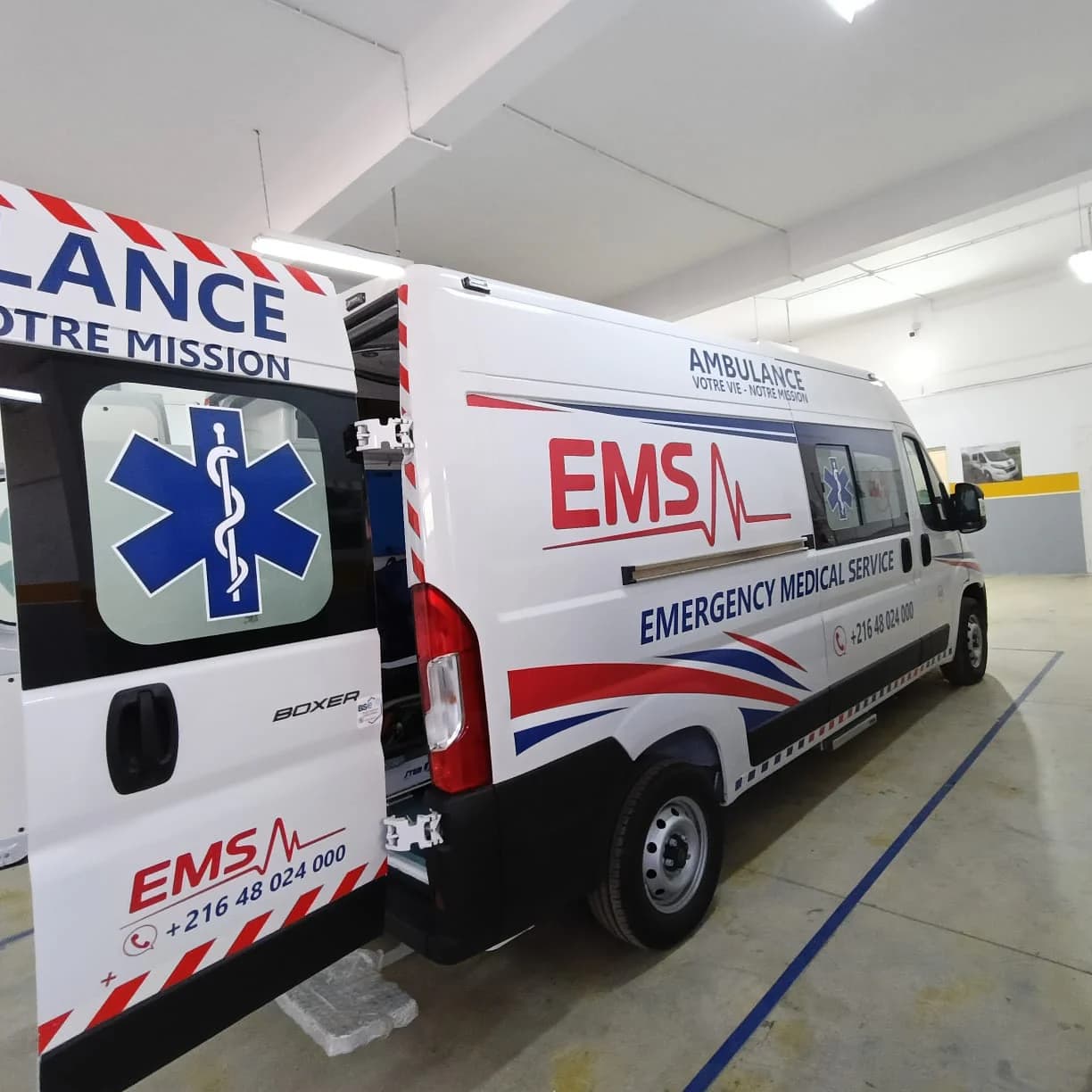
Long-distance medical transport in Tunisia: how to prepare it
A medical journey between two regions calls for different preparation from a trip across town. Duration, fatigue, the patient's position, monitoring, breaks and the conditions on arrival all have to be anticipated before the transport is confirmed.
Before booking, EMS gathers both addresses, the date wanted, the patient's mobility and the recommendations of the care team where one is involved. A long-distance journey may link a home to a clinic, two facilities, a region to an airport or a specialist centre.
Prepare the patient
Usual treatments, useful medical documents and personal belongings should be ready. The referring doctor should state any position restrictions and specific needs. For a frail patient, the arrangements must also cover what will be needed during the journey, without waiting for the moment of departure.
Comfort and safety
Settling the patient in properly comes first. The length of the journey means anticipating pain, incontinence, temperature, fatigue and breaks compatible with the situation. Any companion should be announced in advance so that seating and the conditions of transport can be checked.
Coordination with the arrival point
For an admission, the receiving ward should know the estimated arrival time. For a return home, someone must be present with the keys and what is needed to receive the patient. An unprepared arrival can needlessly extend the time the ambulance is committed.
Get a precise quote
The quote depends on total mileage, the arrangement required, how long the crew is committed and any empty return leg. Say from the outset whether the transport involves waiting, a return journey or coordination with a flight.
In a life-threatening emergency or an acute deterioration, contact the competent public emergency services immediately. A request sent by form or WhatsApp does not confirm a transport booking.